





“Just start. You don’t need a ‘knight in shining armour or an investor to rescue you. You have to rescue yourself first. If you show the rigor, people will show faith in you. And there’s nothing like the right time. The minute you decide to start- is the best time”
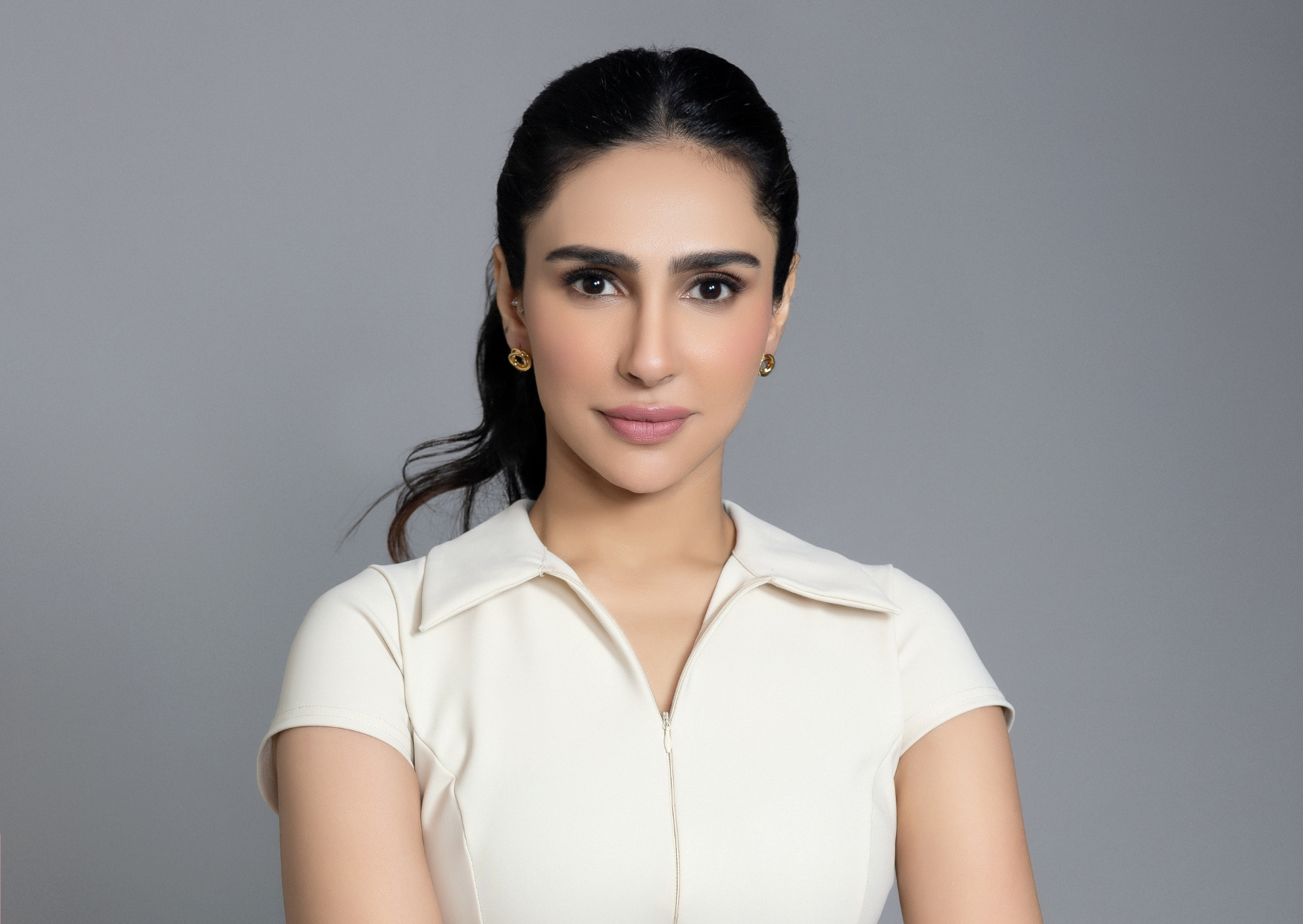
Born and brought up in Delhi NCR, Sanshe Bhatia first studied to become a communications professional, but life had other plans, and then she joined the Teach For India fellowship from 2016 to 2018. Looking back at the days that led to her massive transformation, she says,
“I grew up as an only child in the 90s—a rarity at the time, especially as a girl—which gave me a certain sense of independence and opportunity. That perspective was deeply challenged during my time as a Teach For India Fellow at a government school in Delhi’s Gole Market. While the school was considered one of the better ones, it was an all-girls institution, and I witnessed stark realities—young girls being pulled out of school or not enrolled at all. Teaching Grade 2 students, I came face-to-face with how deeply undervalued the girl child still is in many parts of our society.”
That’s where Sanshe’s journey with social impact started. After the fellowship, she taught for another three or four years, and because she loved the work, she kept thinking,
“What can I create that has a social impact but is not an NGO?”
That’s when The Maalish Co. came into the picture.
The Wellness and Inclusion Model
At The Maalish Co. Sanshe hires people with disabilities, specifically those who are blind, deaf, or visually impaired, and trains them in “desk therapy” massages for employees at their workplace.
The goal is two-fold: to provide employment, sustainability, and skill training to people with impairments and ensure their inclusion in the mainstream workforce, and secondly, to change how employee wellness is viewed in the Indian corporate sector.
“Usually, ‘wellness’ in corporates is just a Friday to Friday thing, or companies organise webinars or if the company has reported a profit, they’ll take the employees for an offsite. That’s not real wellness. Wellness has to be real-time and impactful. And what could be better if it’s also inclusive. We have a B2B model where companies bring us on board for their employee wellness initiatives. We have customised chairs that we carry with us to the offices. We target pressure points that are affected by desk jobs and sedentary lifestyles. We mix Ayurvedic, Swedish and Japanese massage techniques, focusing on pressure points in the head, neck, shoulders, back, arms, and eyes.”
Currently, there’s no one doing exactly what The Maalish Co. is doing. What makes them different is that they don’t send their therapists for private sessions to homes. However, they do events and weddings. Apart from that the model is strictly B2B for the safety and responsibility of the PwD therapists.
Sanshe explains that a lot of organisations working with PWDs are NGOs, and she is proud that they are not an NGO. She adds,
“I tell my therapists, ‘You might get your first job because you are blind or deaf, but in the long run, your capability, dedication, and passion are what will speak for you.’ We want real chances, not ‘pity’ hires or companies looking for tax benefits or CSR checkboxes. We want inclusion to be mainstream.”
Challenges and Logistics
The Maalish Co. partners with various NGOs for hiring. They have in-house trainers who provide initial and ongoing training. Currently, their teams are working in Kolkata, Kochi, Bangalore, and Delhi NCR and Mumbai. She reveals,
“We have a roster, and we try to rotate the roster weekly to give the maximum number of people a chance.”
Glossing over the pushbacks she has received, she feels that as a society, we haven’t advanced enough to make space for everybody.
One major challenge she faced was changing the narrative. She explains,
“People hear ‘workplace massages’ and hesitate. We have to explain that we don’t use oils or lotions; our therapists are trained not to spoil anyone’s hair or clothes because that person might be heading straight into a meeting after their therapy session. It’s all done on top of clothes using customised chairs and maximum hygiene. It gives instant relief to anyone who has been sitting on their desk all day or who has had a hectic week behind a laptop screen.”
Initially, there was hesitation, and some people even worried that they were “exploiting” the therapists. Sanshe asserts,
“Providing an opportunity isn’t exploitation. They have bills to pay. What’s the alternative? Jobs are not easy to come by for those with disabilities. We are giving them the chance to create a life they haven’t had the opportunity to build before. The mindset needs to change. You are not exploiting them. You are giving them a chance to live with dignity, which many of them never get.”
Growth and Milestones
As we spoke to Sanshe, The Maalish Co’s teams were with EY in Kolkata and Kochi. They have Myntra, Adobe, and Trilegal as clients. They have also worked with Max Estates, Walmart, LinkedIn, and several other Fortune 500 companies. She adds,
“We started in early 2024, and I think we entered our first office around April or May. Since then, we’ve come a long way from those early months of low business.”
At present, Sanshe is proud of their 70–80% callback rate, and that the clients keep coming back. The company is also completely bootstrapped, and they have sustained the business without raising outside investor money.
Moreover, she is happy to create an impact and change perspectives. Sanshe highlights,
“In our first year, we collected data that showed almost 80% of corporate employees had never worked alongside a person with a disability. Now, they see their caliber. People now understand that being born with or without a disability is just pure luck, and even with limitations, there is calibre and a sense of purpose.”
The Future Plans
The Maalish Co will soon be launching in three malls, with other plans to start a juice and smoothie bar in Noida. Sanshe shares that it will also be completely run by staff who are deaf. There is going to be a unique communication system for ordering, and the products will be all health-centric, organic, and locally sourced. She also notes,
“The ultimate goal is to have Wellness Centers all over the country where the entire ecosystem, from the reception to the cafe and the library, is manned by people with various disabilities (Down Syndrome, Autism, Visual Impairment, etc.). We want to show that a business can have both purpose and profitability. The Maalish Co. and our smoothie and juice bars will create a new standard where impact is the business model—not a trade-off.
With a head full of dreams, Sanshe mulls over the wisdom she has gathered over the years. Looking back, one lesson Sanshe wishes to have known is that you don’t have to know everything. She signs off, emphasising,
“When I started, I didn’t even know GST had to be filed monthly. I thought it was something that had to be done quarterly or annually, and I’m not embarrassed to admit it. I started the company by saving 2 lakh rupees. People told me it was a ‘stupid idea,’ but here we are growing quarter by quarter and working with some of the most sought-after companies in the world. And we’re gonna stop at nothing.”